-
Continue reading →: How Alternate Wetting and Drying (AWD) is Changing Rice Farming in the Philippines
For many of us in Central Luzon, it is no surprise to see the rice fields filled with water since this has always been a familiar and common sight in areas where farming is still a way of life. For many generations, farmers have depended on this method, thinking that…
-
Continue reading →: Making Room for Hydroponics in Philippine Agriculture 2026
One thing I love about Philippine agriculture is how it continues to find its place in a changing world. The methods may change, may tools may improve, the challenges may become different, but the need to grow food never goes away. Recently, I’ve come across multiple stories in which Filipinos…
-
Continue reading →: October’s Golden Fields: The Work Behind the Harvest Season
Living in Pampanga, I have grown used to seeing the rice fields turn gold in October. Harvesting machines travel from field to field on the roads while workers harvest the palay, bag it, and lay it out to dry. This time of year is called tag-ani. The harvesting season when…
-
Continue reading →: When the Rain Begins to Disappear: El Niño 2026 in the Philippines
There is a kind of silence that comes when the rain does not. The afternoons become harder to bear. The soil begins to harden and crack. The canals carry less water. The rivers dry up. And farmers begin to wonder when the next rain will come. For many of us,…
-
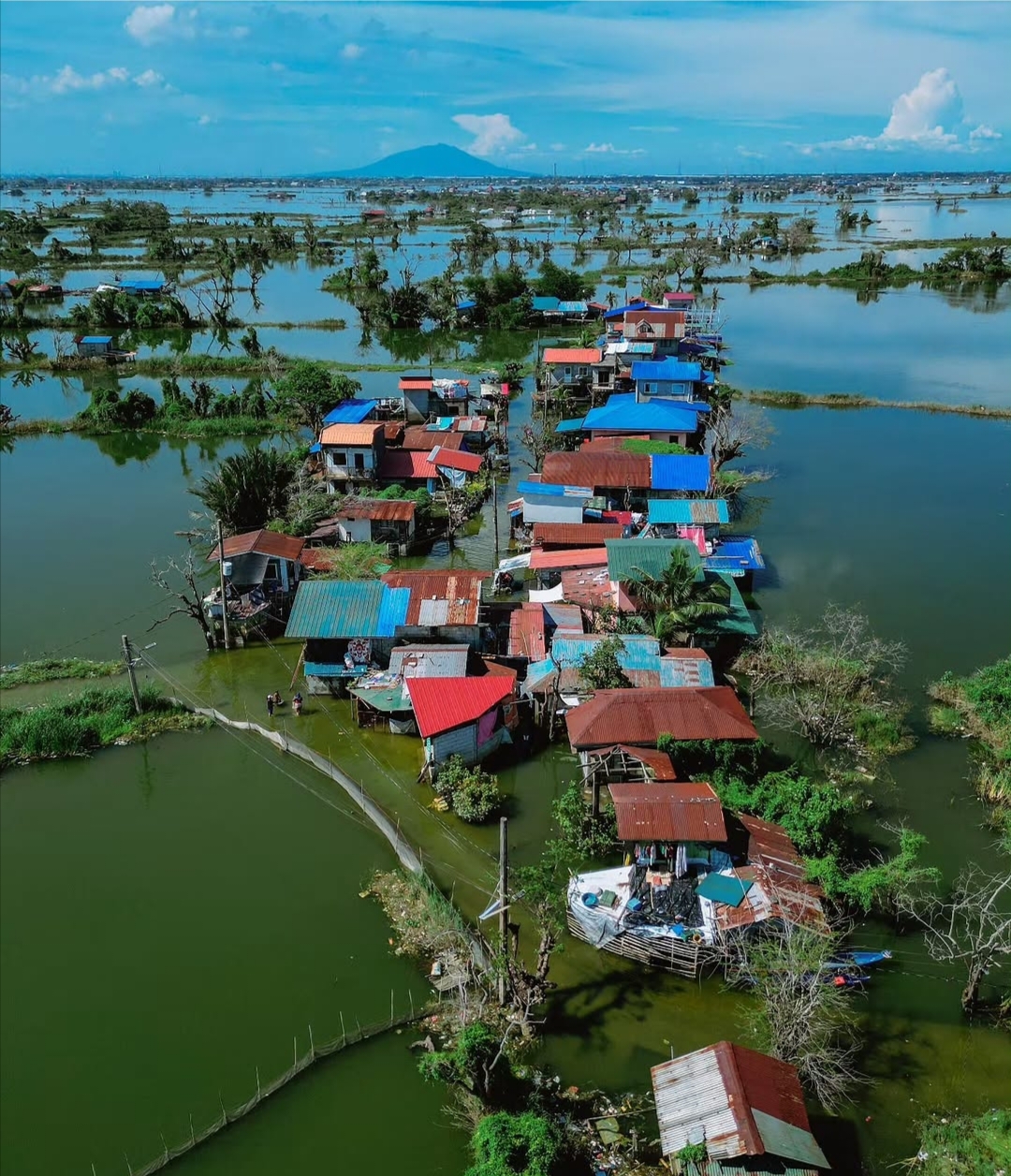 Continue reading →: Philippine Agriculture in 2026
A farmer can spend months waiting for a harvest, only to watch it disappear in a matter of hours. That became a painful reality for farmers across the Philippines in 2026. Rice fields were submerged, vegetables ruined, fishing communities left with boats and gear destroyed, and families picking up the…
-
Continue reading →: The Rise of Solar-Powered Irrigation Systems in the Philippines
There is hope in a farmer’s field. It is the hope that lies in the little seeds sown and planted in the soil. Each planting season brings with it the excitement in farmer’s faces because they will soon have a food supply for their families and a source of income…
-
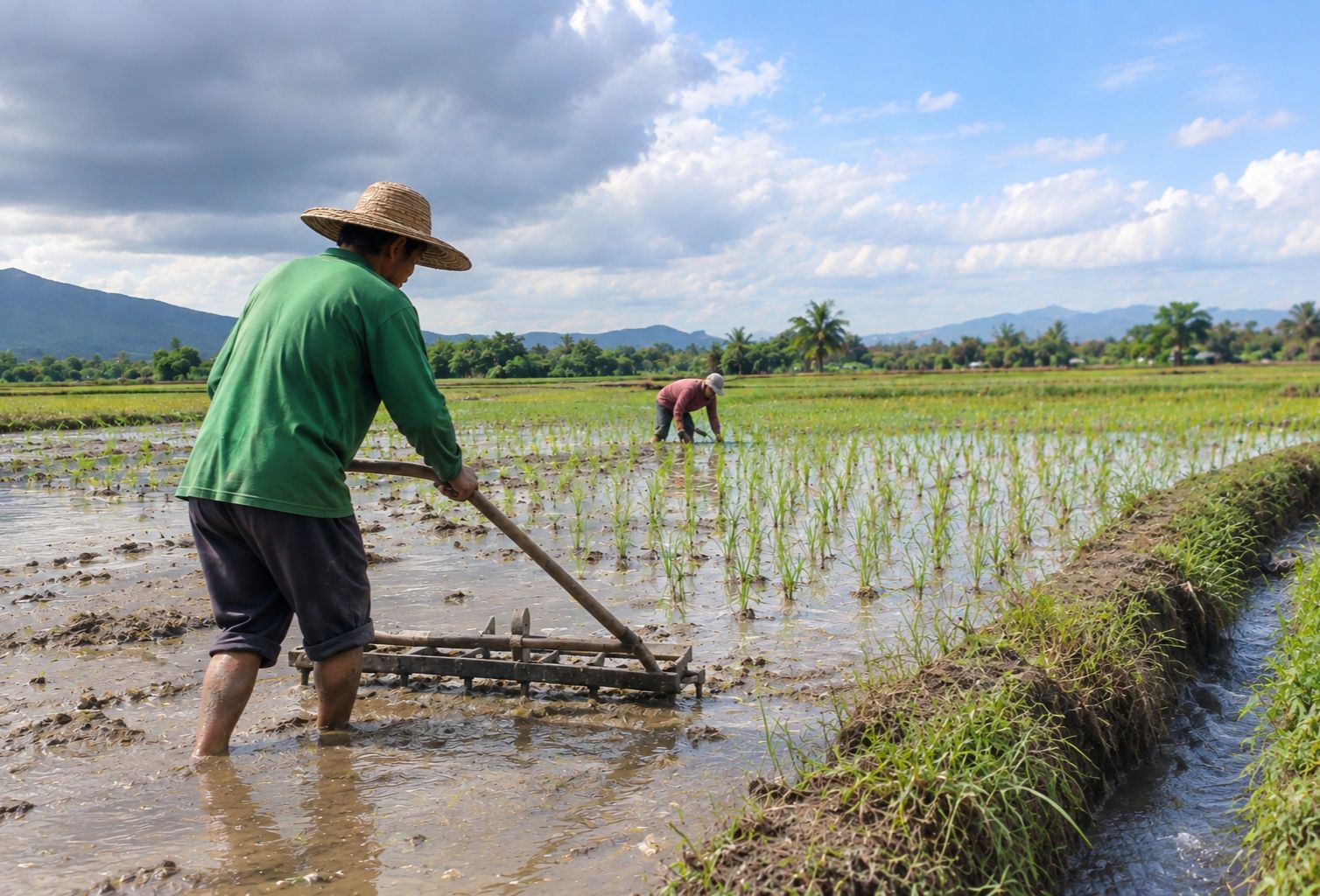 Continue reading →: Keeping Our Rice Fields Ready: Ways to Prepare For Unpredictable Weather
Weather in the Philippines is very unpredictable. From a day we may experience heavy rainfalls due to a typhoon, to waking up the next morning finding ourselves in a hot and sunny weather. These changes in the weather can affect the planting schedules of farmers, water availability for the fields,…
-
Continue reading →: Agricultural Resilience in the Face of Recent Weather Disturbances: Lessons from Last Week’s Typhoon Activities and Southwest Monsoon Enhancement
Abstract The recent succession of weather disturbances, including Tropical Depression Emong and the enhanced southwest monsoon (habagat), has once again demonstrated the vulnerability of Philippine agriculture to extreme weather events. This analysis examines the immediate impacts on agricultural production, particularly rice cultivation, and discusses adaptive strategies that Filipino farmers can…
-
 Continue reading →: Comparing Farmer’s Income for Dry Seeding and Transplanting Method of Palay in Floridablanca, Pampanga
By interviewing a couple of farmers from Floridablanca, Pampanga, I have drawn a picture in my head of how the farmers can benefit from each of the methods of rice planting. How the 2 methods are compared in terms of production cost and the benefit of rice yields. Methods of…
Hello,
I’m Alex
Welcome to the Phillipine Agriculture website where I share useful informations and strategies in agricultural practices in the Philippines.